The Ultimate 3 Season Garden Bed Guide: Design Build and Maintain
A 3 season garden bed is a versatile outdoor structure designed to extend your growing period well beyond the typical spring and summer months. This type of raised setup focuses on maximizing productivity during the cooler transitions of early spring, late summer, and autumn. By elevating the soil and providing a degree of protection, it creates a resilient microclimate for your plants. The thoughtful design helps to warm the soil faster in the year and retain heat when temperatures drop.
Planning a 3 season garden bed involves selecting the right location where your crops can receive ample sunlight even during the lower-angle days of spring and fall. Good airflow is also critical to prevent disease, especially in the cooler, damper conditions these beds are meant to handle. Many gardeners appreciate this method because it turns challenging shoulder seasons into productive growing time. It is an excellent strategy for stretching the harvest and enjoying fresh greens when most standard beds are dormant.
Strategic Location and Orientation
Choosing the correct site is the foundation of a successful 3 season garden bed. You should look for a spot that offers at least six hours of direct sunlight daily, which is essential for fruiting crops and helps dry out leaves to reduce fungal issues. Observing the path of the sun throughout the year will ensure that taller structures or trees do not cast shade during the critical growing periods. Accessibility to water and your home is also important, as consistent moisture is key to success in these exposed beds.
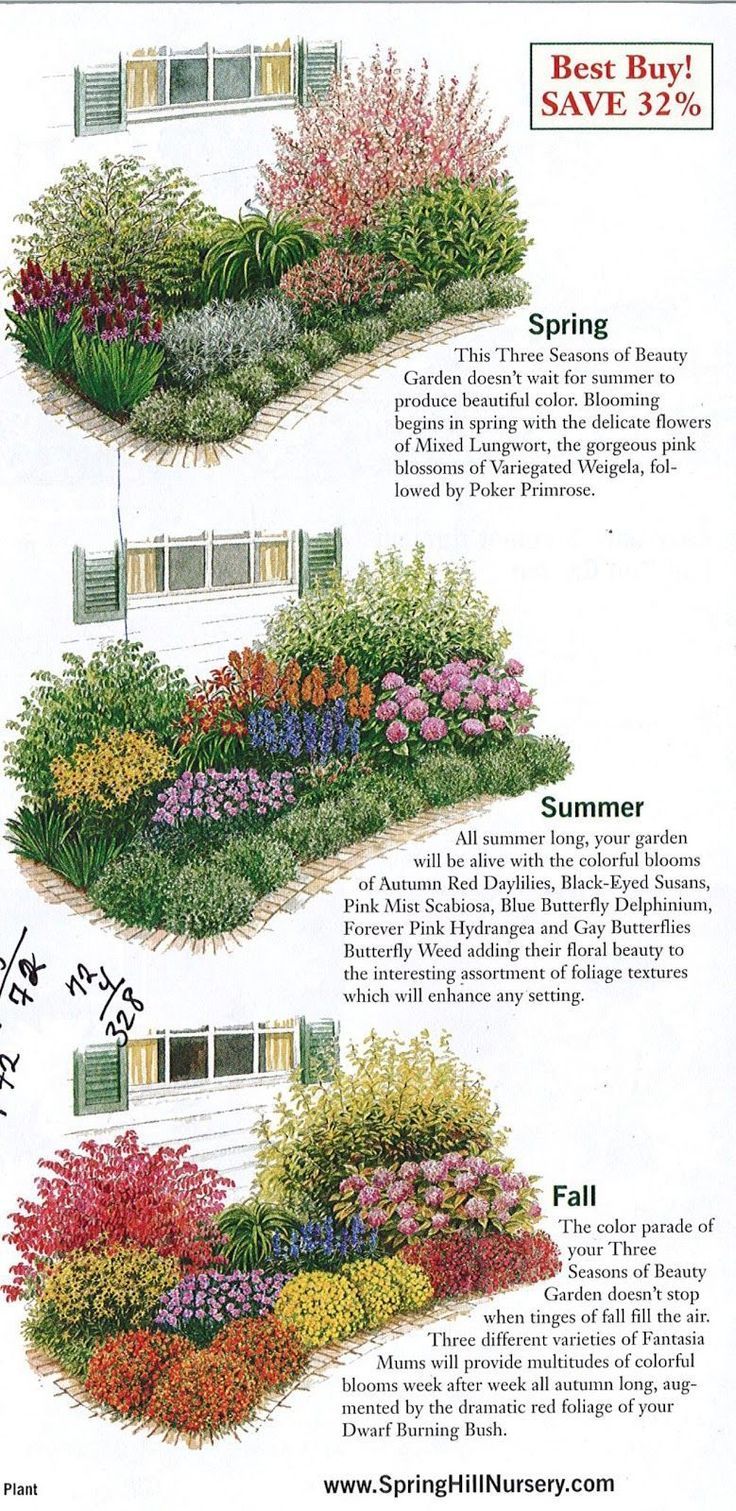


Soil preparation is another vital aspect of the location strategy for a 3 season garden bed. Testing the drainage is necessary because standing water can quickly ruin crops during the wetter parts of the shoulder seasons. Amending the native soil with high-quality compost improves fertility and drainage, giving seeds and seedlings a strong start. A well-prepared bed will warm up more rapidly in the spring, allowing for earlier planting than ground-level plots.
Microclimate Management
One of the primary advantages of a 3 season garden bed is the ability to manage the microclimate around your plants. Adding simple row covers or cold frames can trap heat on chilly nights, protecting tender sprouts from frost. Conversely, providing shade cloth during unexpected summer heat waves can prevent bolting in cool-season crops like lettuce and spinach. This flexibility allows you to essentially move the growing zone a few weeks in either direction.


Wind protection is another microclimate factor to consider for these beds. Erecting a fence or planting a hedge nearby can reduce drying winds that stress young plants in the spring and fall. By moderating temperature extremes and retaining moisture, the bed becomes a more stable environment. Gardeners often find they can grow more delicate varieties by creating this buffered space.
Crop Selection and Succession Planning
Selecting the right crops is essential for maximizing the potential of a 3 season garden bed. Hardy greens such as kale, Swiss chard, and various lettuces thrive in the cool temperatures of early spring and late fall. Root vegetables like radishes, carrots, and beets also perform exceptionally well, as they can often withstand light frosts that would damage tender above-ground crops. Choosing a mix of fast-maturing and long-term crops ensures continuous harvests.
Succession planting is the strategy that truly unlocks the productivity of a 3 season garden bed. By staggering planting dates every few weeks, you avoid a massive glut of produce at once and extend the harvest window. For example, you might plant a first wave of beans in early spring, followed by a second wave after the soil warms, and a final wave in mid-summer for a fall harvest. This approach keeps the bed active and productive throughout the entire growing window.


Soil Health and Fertility
Maintaining soil health is crucial for the longevity of a 3 season garden bed, as frequent planting cycles can deplete nutrients quickly. Regularly adding compost or well-rotted manure between seasons helps to rebuild organic matter and provide a steady supply of minerals. Practicing crop rotation, where you avoid planting the same family in the same spot year after year, helps to prevent soil-borne diseases and pest buildup. Healthy soil grows strong plants that can better resist the stresses of fluctuating temperatures.
Mulching is another effective technique for managing soil health in these intensive beds. A layer of organic mulch helps to suppress weeds, which compete fiercely for resources during the shorter growing seasons. It also conserves soil moisture and regulates temperature, keeping roots cooler in summer and warmer in early spring. This simple act of protection reduces the amount of time spent on maintenance and allows the plants to focus on growth.
Utilizing Row Covers and Cold Frames
Row covers are an invaluable tool for protecting crops in a 3 season garden bed, acting as a lightweight blanket against cold and wind. They allow light and water to pass through while trapping heat, effectively adding a few degrees of warmth to the plant environment. This protection enables gardeners to start planting weeks earlier in the spring and continue harvesting later into the fall. The covers can be easily removed on warmer days to prevent overheating.


Cold frames provide a more permanent solution for season extension, essentially creating a mini greenhouse structure at ground level. By capturing solar heat and protecting plants from wind and rain, they create an ideal environment for hardening off seedlings or growing crops through the winter in mild climates. For a 3 season garden bed, a cold frame seamlessly bridges the gap between spring and summer or summer and fall, dramatically increasing the utility of the space.
Integrating these methods transforms a simple raised bed into a dynamic and resilient growing system. Gardeners who master the art of the 3 season garden bed often discover a deeper connection to the natural growing cycles. This approach encourages patience, observation, and a greater appreciation for the food they grow. Embracing the shoulder seasons opens up a world of fresh flavors and gardening satisfaction year-round.
As you plan your next gardening project, consider the rewards of extending your harvest and protecting your investment against unpredictable weather. A well-designed 3 season garden bed offers a practical solution for maximizing space and production without requiring a massive infrastructure. Tailoring your techniques to your specific climate will help you enjoy fresh vegetables and herbs for a much larger portion of the year. Experimenting with these strategies is a rewarding journey for any dedicated home gardener.
Related Articles

Elevated Garden Harvests: The Ultimate Guide to Raised Kitchen Garden Bed Design and Benefits
Raised kitchen garden bed designs are transforming the way people interact with fresh ingredients right outside their back doors. This approach combines...

How to Build a Succulent Wall Garden: The Ultimate Step-by-Step Guide
Building a succulent wall garden turns a blank vertical surface into a living piece of art that brings calm, texture, and subtle color into your home or...

How to Build an Underground Garden: The Ultimate Secret Guide
Building an underground garden is an exciting way to transform unused space beneath your home into a lush, productive sanctuary. This hidden garden concept...

How to Prepare Your Garden for Next Season: Ultimate Guide
Preparing your garden for the next season is one of the most rewarding ways to ensure healthy growth and vibrant blooms year after year. This thoughtful...

The Ultimate Guide to Maintaining Raised Garden Beds: Expert Tips for Healthy Growth
Raised garden beds offer a practical and attractive way to organize your plants, improve soil quality, and reduce the strain on your back. Proper raised garden...

The Ultimate Guide to Maintaining Your Garden at Home: Easy Tips and Tricks
Maintaining a garden at home transforms your outdoor space into a vibrant sanctuary that reflects your personal style and connection to nature. Whether you...