1930 Hallway Ideas: Vintage Charm Meets Modern Flair
As you plan a renovation or simply refresh an older floor, 1930 hallway ideas provide a rich source of timeless inspiration for adding vintage character to your home. This era of architecture is defined by strong geometry, built-in features, and a sense of movement that guides you from room to room. Many of these original details were hidden under layers of paint and modern fixtures, waiting for homeowners to uncover their potential. By focusing on authentic 1930 hallway ideas, you can transform a narrow passage into a curated gallery that speaks of craftsmanship and enduring style.
The appeal of 1930 hallway ideas lies in the balance between art Deco glamour and streamlined functionality. Unlike the heavy moldings of previous decades, 1930s design embraced clean lines, zigzags, and sunburst motifs that brought energy to transitional spaces. If your home was built during this period, you likely have a long, narrow corridor that is perfect for showcasing period-specific hardware, lighting, and wall finishes. These hallways often serve as the perfect testing ground for bold design choices before you move into the main living areas.
Embracing Original Architectural Details
One of the strongest approaches to 1930 hallway ideas is to celebrate the existing architecture rather than fighting against it. Many homes from this era feature herringbone floors, inlaid tiles, and dado rails that add depth and interest without overwhelming the space. Preserving these elements allows the soul of the decade to shine through, creating a warm and authentic atmosphere that modern open-plan layouts often lack. Taking the time to restore or highlight these features will anchor your entire design in authenticity.


When you dive into 1930 hallway ideas, you will quickly notice how the ceiling plays a crucial role in the overall drama. Coffered ceilings, slender metal rails, and decorative plaster moldings were used to frame views and create a sense of height. Even if your hallway has a low ceiling, installing a period-appropriate ceiling rose or a series of small pendant lights can draw the eye upward and make the entire corridor feel more expansive. This focus on vertical space is a hallmark of successful 1930s design.
Restoring Hardwood and Tile
Flooring is often the first thing you notice when you step into a vintage hallway, and 1930 hallway ideas start underfoot. Wide plank hardwood, often stained in dark walnuts or rich teaks, was extremely popular during this time. If your original floor survives under modern carpet, consider hiring a professional to strip and refinish it; the transformation will immediately elevate the entire look of the home. Similarly, checkerboard or geometric tile insets not only add visual interest but also create a welcoming transition between rooms.


To maintain the integrity of the original look, choose hardware and accessories that match the era. Antique brass or black iron sconces, rounded edge door handles, and streamlined mail slots work together to create a cohesive environment. The key to mastering 1930 hallway ideas is to ensure that every element, from the light switch plate to the runner, feels like it belongs to the same time capsule. This consistency prevents the space from looking like a random collection of vintage finds and instead feels like a curated historical exhibit.
Statement Lighting Fixtures
Lighting is arguably the most transformative element when executing 1930 hallway ideas. The era embraced chrome, glass, and polished metal, which allowed homeowners to add a touch of luxury to otherwise simple spaces. A single large Art Deco chandelier or a row of cylindrical glass sconces can act as a centerpiece, drawing the eye down the length of the hall. These fixtures not only provide ample light but also serve as a nod to the optimistic spirit of the interwar years.
Layering light sources is essential for achieving authentic 1930 hallway ideas. In addition to a statement fixture, consider adding indirect lighting such as under-cabinet strips or concealed cove lighting to highlight ceiling moldings. You might also incorporate table lamps with geometric bases on console tables to add warmth in the evening. The goal is to mimic the natural glow of old-school filament bulbs, which create a soft, inviting ambiance that modern LED alternatives often struggle to replicate.


Color Palettes and Decorative Arts
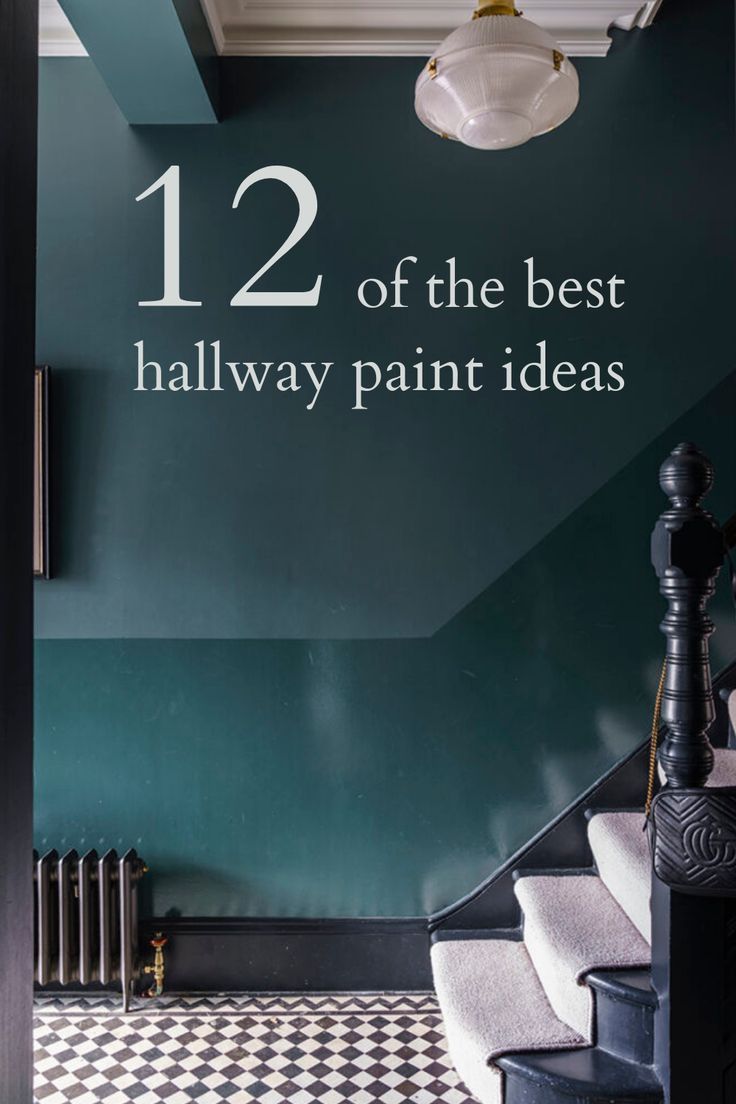
Color is another critical component of 1930 hallway ideas, as the decade saw a shift toward bold yet sophisticated palettes. Deep greens, navy blues, and moody charcoal were balanced with crisp white trim and warm honey accents. These colors were often applied in stripes or sunburst patterns that followed the flow of the hallway, creating a sense of motion. Choosing a palette that incorporates these classic shades will instantly transport the space back to the golden age of design.
Wallpaper was a staple in 1930s interiors, and incorporating it into your hallway is one of the most daring yet rewarding 1930 hallway ideas. Look for vintage-inspired repeats featuring botanical motifs, stepped geometrics, or metallic accents. If covering an entire hallway feels too intense, consider using paper to accent just one feature wall or the area behind a console table. A single dramatic wall can anchor the space and provide a stunning backdrop for displaying art and family photographs.
Furniture and Functionality
While hallways are primarily transitional spaces, 1930 hallway ideas often include thoughtful furniture pieces that maximize utility and style. A slim console table with rounded corners, placed against the wall, offers a spot to drop keys or display a curated collection of objects. Mirrors with sunburst frames or chrome detailing are particularly effective, as they amplify natural light and make the corridor feel wider. These functional items ensure that the space is not just beautiful but also practical for daily life.




Storage solutions in 1930 hallway ideas were often built-in, taking advantage of the wall thickness to create niches and shelves. If you are working with a modern home, you can mimic this effect with custom cabinetry that matches the trim profile. Keep the finish smooth and lacquered in a period color, and avoid cluttering the space. The hallways of the 1930s were designed to feel organized and efficient, and adhering to this principle will keep your design from looking dated.
Art and Personal Expression
No discussion of 1930 hallway ideas would be complete without addressing the importance of art. This era coincided with the golden age of advertising posters and fine art prints, making it easy to find affordable pieces that resonate with the aesthetic. Look for works with strong lines, geometric shapes, or aviation themes to hang in gallery style. Grouping smaller frames together in a harmonious layout adds depth and personality without sacrificing the clean lines of the architecture.
Ultimately, the best 1930 hallway ideas are the ones that integrate your personal story with the historical charm of the era. You might mix a vintage leather suitcase on the floor with a modern abstract painting, or pair a sleek chrome coat rack with a piece of folk art. The goal is to honor the discipline of 1930s design while allowing your own taste to shine through. By treating the hallway as a gallery of daily life, you create a space that feels both timeless and entirely your own.
As you move forward with planning your update, remember that the smallest details often have the biggest impact on the overall success of 1930 hallway ideas. From the angle of a pendant light to the pattern of a runner, every choice contributes to the narrative of the space. Allow yourself to experiment with textures and eras, confident that the strong bones of the original design will support your vision. With a thoughtful blend of restoration and personal expression, your hallway can become a beloved feature of your home for years to come.
Related Articles

1930 Decorating Ideas: Timeless Vintage Charm Meets Modern Style
1930 decorating ideas capture the sleek sophistication and hopeful spirit of the early Great Depression era, blending modern simplicity with luxurious...
1930s Home Decor Ideas: Timeless Vintage Charm Meets Modern Style
Step back in time and discover the elegance of 1930s home decor ideas, a decade that masterfully blended luxury with practicality. This era reflected the...

1930 Bedrooms: Vintage Charm Meets Modern Comfort
1930 bedrooms evoke a distinct era where design balanced elegance with emerging modernity, offering a rich source of inspiration for homeowners today...

1930 Small House Design Ideas Vintage Charm & Modern Living
The 1930 small house represents a pivotal moment in residential architecture, capturing a society transitioning between heritage craftsmanship and emerging...

1920s Bungalow Living Room Ideas: Vintage Charm Meets Modern Comfort
Stepping into a 1920s bungalow living room is like opening a history book filled with warmth and character, and the living room often serves as the very heart...

1930s House Living Room Ideas Timeless Charm and Modern Flair
Stepping into a 1930 house living room is like opening a historical novel, where the architecture itself tells a story of enduring grace and robust character...