10 Essential Spices Used in Kitchen for Flavorful Cooking
Spices are the quiet storytellers of the kitchen, turning everyday meals into memorable experiences with just a pinch or a dash. They bridge cultures and histories, connecting your dinner plate to distant lands and centuries of tradition. Understanding the most common spices used in cooking empowers you to experiment with confidence and elevate simple dishes into something extraordinary. This guide explores ten essential spices that deserve a permanent spot in your pantry.
Whether you are a busy home cook or someone just discovering the joy of fresh ingredients, keeping these ten spices on hand ensures you are ready for any culinary challenge. From warming comfort to vibrant complexity, these ingredients do more than add flavor; they add personality. Investing in high-quality versions of these spices is a simple step that instantly upgrades your everyday cooking.
Warmth and Comfort
Cinnamon and cumin form the backbone of many cozy, hearty dishes, providing a deep sense of warmth that feels satisfying and familiar. These spices are often the secret behind beloved stews, curries, and baked goods that fill the kitchen with an inviting aroma. Mastering these two ingredients opens the door to a wide range of global cuisines, from Mexican moles to Indian tagines.


Cinnamon
Cinnamon brings a sweet and woody note to both savory and sweet creations, making it incredibly versatile in the kitchen. You will find it starring in breakfast treats like oatmeal and toast, while also playing a crucial role in spiced beverages during colder months. Its ability to balance sugar and enhance fruit flavors makes it a favorite for desserts and glazes.
Using cinnamon in rubs for roasted meats or roasted vegetables might be a discovery for many home cooks, as it adds a subtle complexity that is not immediately obvious but deeply satisfying. A little cinnamon can bridge the gap between savory marinades and sweet barbecue sauces, creating a uniquely layered flavor profile that surprises and delights the palate.


Cumin
Cumin offers an earthy, slightly nutty flavor that is foundational to spice blends like chili powder, curry powder, and garam masala. Its robust character stands up well to long cooking times, which is why it is a staple in slow-cooked dishes and braises. Toasting whole cumin seeds briefly in a dry pan before grinding them unlocks a much more intense and fragrant aroma.
This spice pairs exceptionally well with beans, lentils, and roasted root vegetables, adding a depth that prevents the dish from tasting flat or one-dimensional. Even in small amounts, cumin provides a backbone that allows other flavors to build upon it, making it a critical component of any well-stocked spice rack focused on building savory complexity.
Brightness and Depth
Turmeric and paprika introduce vibrant color and nuanced heat, transforming the visual appeal and taste of everyday meals. Turmeric is celebrated for its warm, slightly bitter flavor and its golden hue, while paprika can range from sweet and mild to smoky and fiery. Together, they demonstrate how spices influence both sight and sensation.


Turmeric
Turmeric is widely recognized for its anti-inflammatory properties, but it is also a powerhouse of flavor in curries, rice dishes, and soups. Its distinct earthy and slightly peppery taste requires careful balancing, as it can easily overwhelm a dish if used without consideration. Combining it with black pepper dramatically increases its bioavailability, allowing your body to absorb its beneficial compounds more effectively.
In recipes like golden milk or roasted vegetable medleys, turmeric provides a beautiful color that signals richness and warmth. When used in spice blends, it acts as a natural color enhancer, giving sauces and marinades a restaurant-quality depth that is visually as impressive as it is delicious.
Paprika
Paprika offers a wide spectrum of flavors, from the mild and sweet to the hot and smoky, allowing it to suit countless culinary preferences. Smoked paprika, in particular, adds a campfire quality to dishes, making it ideal for rubs, sausages, and stews. Its vivid red color instantly elevates the presentation of deviled eggs, potato salads, and creamy sauces.


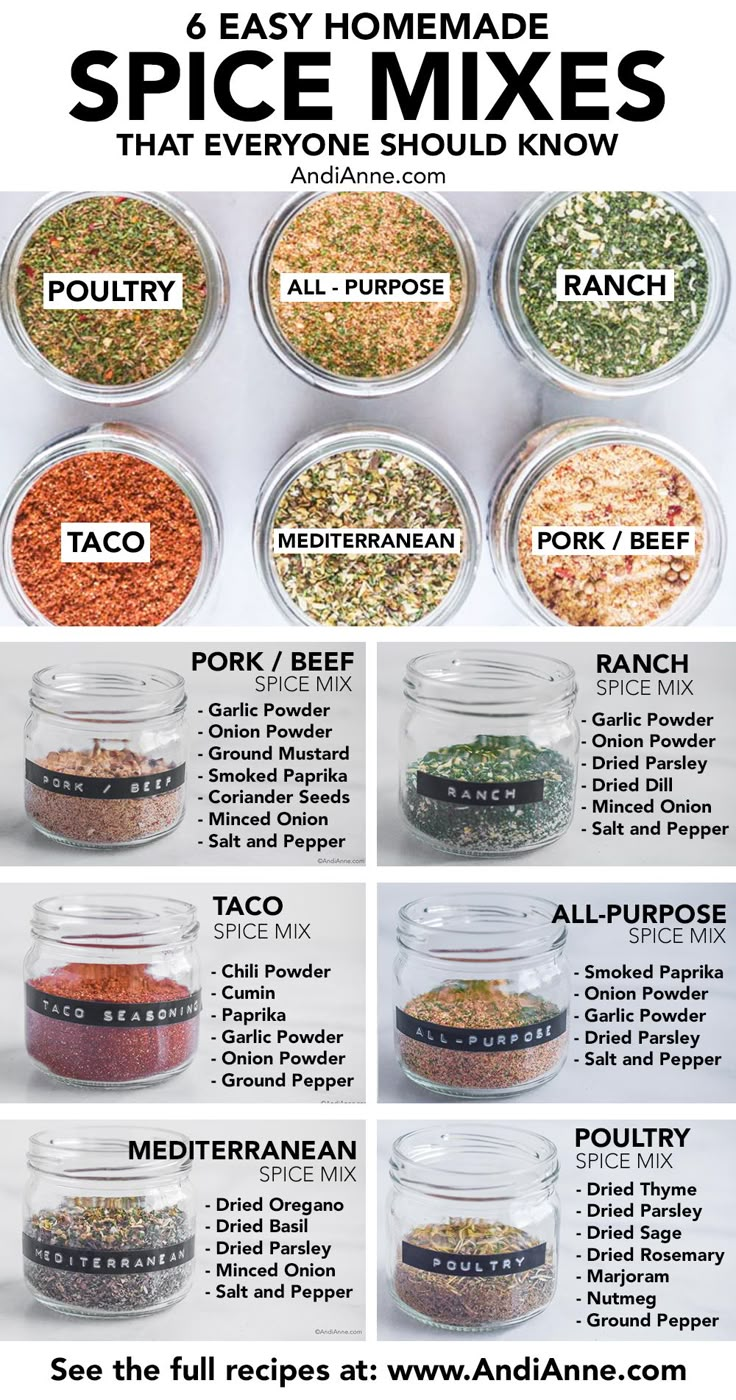


Because paprika is generally low in heat, it is an excellent starting point for those who are sensitive to spice but crave flavor intensity. It layers dishes with complexity without dominating the other ingredients, making it a flexible tool for both subtle seasoning and bold statement flavors.
Freshness and Heat
Garlic powder, onion powder, black pepper, and red pepper flakes deliver immediate impact, providing punchy notes that wake up the palate. These spices work quickly, making them perfect for last-minute meals or when you need to adjust the flavor of a dish at the table. Keeping them readily available ensures you can respond to your cravings with speed and precision.
Black Pepper
Black pepper is arguably the most universally used spice, present on nearly every dining table for a reason. Its sharp, pungent heat enhances almost any savory dish, and its aromatic quality is as important as its taste. Freshly ground pepper releases volatile oils that pre-ground versions simply cannot match, so taking a moment to grind it over your food makes a tangible difference.
Beyond its role in classic dishes like steak and eggs, black pepper adds a refined heat to fruit salads, creamy soups, and even chocolate desserts. Its versatility and ability to amplify other flavors mean that a simple grinder is one of the most practical tools you can keep on your counter.
Red Pepper Flakes
Red pepper flakes are the go-to choice for introducing a quick and adjustable level of heat to any meal. Their bright, fiery character cuts through rich, fatty ingredients like cheese, oil, and meat, providing a necessary balance that keeps the palate engaged. A small jar on the table allows everyone to customize their plate according to their preferred spice tolerance.
These flakes are not just for spicy food; they add a subtle background warmth to tomato sauces, salad dressings, and roasted potatoes. Because their flavor is intense, a light shake is often enough to transform a bland dish into something vibrant and assertive without overwhelming the other components.
Earthy and Floral
Oregano and thyme connect your cooking to the Mediterranean and European traditions, offering herbal, woodsy notes that create a sense of rustic comfort. These dried herbs are robust enough to hold their own in long-simmered sauces and marinades. They provide an aromatic foundation that feels both grounding and familiar.
Oregano
Oregano is a defining flavor in Italian and Greek cuisine, shining in tomato-based sauces, salad dressings, and grilled meats. Its slightly bitter, minty undertones provide a sharp contrast to sweet ingredients like roasted bell peppers or balsamic vinegar. Dried oregano is potent, so it is best to start with a small amount and adjust to taste.
When combined with olive oil, garlic, and lemon, oregano becomes the core of a simple yet vibrant marinade that highlights the natural flavors of the protein. Its versatility extends beyond Mediterranean dishes, making it a useful spice to experiment with in soups, egg dishes, and even homemade spice mixes.
Thyme
Thyme offers a subtle, dry aroma with hints of floral earthiness, making it a favorite among professional chefs and home cooks alike. Its small leaves can infuse a whole dish with flavor, and it is robust enough to be used in braises, roasted meats, and vegetable sautés. Thyme stems can even be added to stocks and broths to simmer away, then removed before serving.
Because thyme pairs beautifully with garlic, onion, and lemon, it acts as a bridge between bright and savory elements in a recipe. Incorporating thyme into your regular cooking routine encourages you to slow down and appreciate the way gentle, herbal notes develop over time on the stovetop or in the oven.
Exploring these ten spices transforms your kitchen into a space of endless possibility, where you can move freely between cuisines and create with confidence. Treat each jar as a tool for creativity, and soon you will find your own signature flavors emerging in the dishes you prepare most often.
Related Articles

Essential Spices Every Kitchen Needs For Flavorful Cooking
Building a well stocked kitchen is an exciting journey, and the right spices are the vibrant colors on your culinary canvas. These concentrated flavor...

The Essential Spices Every Kitchen Must Have For Flavorful Cooking
Building a well stocked kitchen is one of the most rewarding steps you can take toward eating better and enjoying food more, because the right tools and...

20 Essential Kitchen Spices Name List Flavor Cooking Guide
Spices are the quiet conductors of the culinary world, orchestrating layers of aroma, taste, and warmth that transform simple ingredients into memorable meals...

Essential Spices Used in Kitchen The Ultimate Guide
Spices are the soul of everyday cooking, turning simple ingredients into memorable meals with layers of aroma, taste, and color. Used across cultures and...

Essential Spices for Your Pantry The Complete Kitchen Guide
Your kitchen is only as powerful as the pantry hidden behind the door, and spices are the quiet architects of everyday flavor. Building a well stocked spice...
Essential Spices for Your Cabinet: The Ultimate Kitchen Guide
Building a well-stocked kitchen starts long before you choose a recipe; it begins with the thoughtful curation of essential spices for your cabinet. The right...